
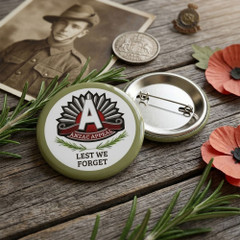
The History of the ANZAC Day Badge
Posted by Make Badges on 16th Apr 2026
Since the landing at Gallipoli in 1915 by the brave ANZAC forces, Australians and New Zealanders have observed and honoured the bravery of veterans on Anzac Day. Part of the way of expressing this observation has been through wearing Anzac Day badges.
The history of these runs deep, with an array of badge designs for commemorative purposes, but also through the creation of ANZAC badges that were worn by those who served in Gallipoli over 100 years ago. In this article, we’ll be taking a look at the history of Anzac Day and ANZAC badges, their significance, and how they’ve evolved over time.
Please note that Make Badges does not manufacture or sell Anzac Day, ANZAC, die-cast or enamel pins.
What Is an Anzac Day Badge?
Anzac Day badges, which have taken on an array of designs over the years, are a commemorative badge worn around and on Anzac Day to honour the history of Australian and New Zealand service members who’ve fought in wars throughout history. The first Anzac Day occurred on 25 April, 1916, a year after members of the ANZAC landed at Gallipoli in World War I.
While many design motifs of different Anzac Day badges are drawn from places of significance during WWI (such as the red poppies that grew in Flanders Field in the wake of battle), all badges now serve to honour any Australian or New Zealand service member who fought during any wars in modern history.
Many Anzac Day badges (or similar items such as red poppy pins) are purchased as part of fundraising efforts for wartime veterans and their families.
The Origins of the Anzac Day Badge Tradition
The Anzac Day badge tradition essentially began as soon as the first Anzac Day was observed in 1916. Many of these commemorative badges were made as part of local, community-driven initiatives and, much like today, served as a way of both remembering ANZAC service members and offering financial support to surviving veterans, as well as the families of service members who died in WWI.
The First Anzac Day Commemorations
The very first Anzac Day occurred a year after the landing at Gallipoli, on 25 April 1916. Much like modern Anzac Day proceedings, the first commemorations included marches, memorial services, and public gatherings throughout the country. They focused on honouring those who served in Gallipoli.
Who Created the First ANZAC Badges?
The initial Anzac Day badges were produced by community groups, charities, and volunteers. There was key involvement from organisations such as the Australian Red Cross - and these badges were often handmade and available in very small batches. The funds raised were primarily used for wounded soldiers and to support bereaved families.
Along with commemorative Anzac Day badges worn by the general populace, ANZAC “A” badges were created in 1917 (authorised by the Australian Imperial Forces of the time - AIF) to be worn by Anzacs who served in Gallipoli. In 1918, even more individuals who served at Gallipoli or contributed to wartime efforts surrounding the campaign, were also authorised to wear an ANZAC “A” badge to denote their service.
Why Badges Became Important on Anzac Day
Given the significance of Anzac Day, it’s understandable why badges are so important. They’re not just a means of clearly showing one’s respect for service members, but the purchases most often contribute towards funds that help veterans and their families.
Popular ANZAC Badge Designs Through the Years
While the early days of Anzac Day and ANZAC badge designs were quite varied, over the years specific symbols and design motifs have become more commonplace - this is a result of more national campaigns and designs coming to reflect anniversaries or specific themes.
Rising Sun Badge Influence
Many Anzac Day badges can include a rising sun, which is inspired by the Australian Army’s Rising Sun emblem. Over the years, it has become a powerful visual shorthand for service and identity while also expressing national pride and military heritage. They can also include the renowned solemn phrase “Lest We Forget”.
Regimental and Unit Badges
These types of ANZAC badges are more commonly worn by veterans themselves or their family members. They represent specific groups or battalions within the Australian Defence Force and are often more detailed than general commemorative Anzac Day badges.
Red Poppy Badges
Red poppy pins are commonly available around Anzac Day, with many of these typically being made with felt. However, metallic red poppy badges also frequently feature during this time and can include the “Lest We Forget” remembrance phrase.
Modern Commemorative Badge Trends
Generally speaking, different years can also bring about different focused designs. Trend-informed badges often refer to specific anniversaries, conflicts, or peacekeeping campaigns throughout the history of the ANZAC or in relation to current defence campaigns occurring in the world.
Why People Collect ANZAC Badges
There are many reasons why people collect ANZAC badges - whether they’re commemorative pieces for Anzac Day or badges specifically designed to be worn by members of the Australian Defence Force. These can include a personal connection to family or history, having the badges as a type of historical record throughout the years, or simply for the emotional importance or value they hold.
Rare and Valuable ANZAC Badges
As with any piece of commemorative memorabilia, there are a number of ANZAC badges collectors may seek out. These include older badges (especially WWI-era), limited badge runs that signified specific anniversaries or campaigns, as well as the ANZAC “A” badges that were purpose-designed for serving members.
How Anzac Day Badges Are Used Today
Today, Anzac Day badges are used much in the same way they have been throughout history. They’re sold primarily in the lead-up to 25 April and are worn during marches, dawn services, and ceremonies. You’ll also see them worn on the day at the many Returned and Services Leagues (RSLs) throughout Australia.
The badges are often worn alongside poppies or rosemary, as well, and evolve each year to reflect the times while also respecting the storied history of the Anzacs over the past 111 years.
In schools, Anzac Day badges can help younger children connect and engage with the history of Australia’s service members, serving as a tangible entry point into broader ANZAC stories.
Why Anzac Day Badges Still Matter Today
For as long as we commemorate the bravery and sacrifice of Australian and New Zealand service members, Anzac Day badges will remain an integral part of the tradition. They offer a simple but meaningful way for people to participate in ceremonies and gatherings while ensuring their purchase supports those being honoured. Most importantly, they help keep the stories and significance of ANZAC alive.